How to Build a Stronger Core at Home: A Trainer’s Guide from Ignite Strength Studio
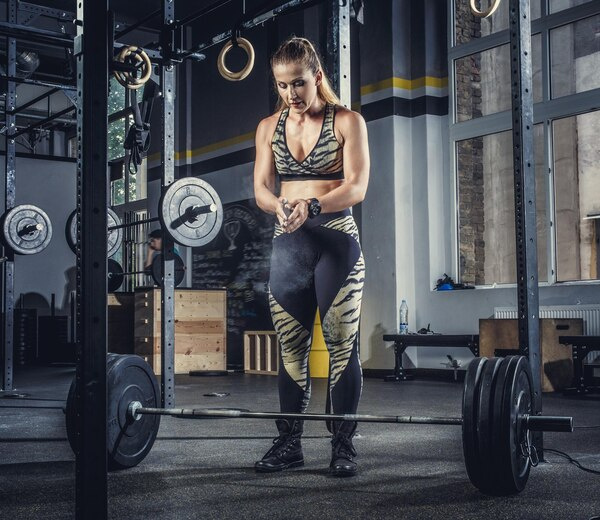
Building a stronger core at home doesn’t require fancy equipment, endless crunches, or a massive time commitment. What it does require is consistency, good technique, and a clear plan. As trainers at Ignite Strength Studio, we treat core training as the foundation of every strong, resilient body—whether you’re lifting heavy, running, or just want a healthier back and better posture.
Below is a practical, trainer-approved guide you can start using today, right in your living room.
Why Your Core Matters More Than “Six-Pack Abs”
Your core is more than your abs. It includes:
- Rectus abdominis – the “six-pack” muscle
- Obliques – sides of your waist, help with rotation and stability
- Transverse abdominis – deep abdominal muscle, acts like a natural weight belt
- Lower back muscles – support your spine
- Glutes and hip musculature – help transfer force and stabilize the pelvis
A stronger core helps you:
- Reduce risk of back pain and injury
- Improve balance, posture, and joint health
- Lift heavier and move more efficiently
- Perform better in sports and daily life (carrying groceries, playing with kids, standing long hours)
Core Training Principles We Use with Clients
Before jumping into exercises, understand these key ideas:
- Stability before intensity
Master holding good positions before adding reps, speed, or weight. A 20‑second perfect plank beats a 60‑second sloppy one.
- Quality over quantity
Core training isn’t about “feeling the burn” at all costs. Aim for controlled movement, smooth breathing, and no pain in the lower back.
- Train all functions of the core
Your core doesn’t just flex (like in a crunch). It also:- Resists extension (preventing the back from arching)
- Resists rotation and side bending
- Rotates and stabilizes the spine and hips
A balanced routine covers these roles.
- Progress slowly and strategically
Increase difficulty by:- Extending time under tension
- Changing lever length (e.g., moving arms overhead)
- Reducing points of contact (e.g., from two legs to one)
- Adding controlled, functional movement
- Frequency beats marathon sessions
Two to four focused core sessions per week (10–20 minutes) are more effective than a single, long, random session.
Warm-Up: 3–5 Minutes to Activate Your Core
Do this quick sequence before core sessions or strength workouts:
- Cat–Cow (Spine Mobility) – 8–10 reps
- On hands and knees, wrists under shoulders, knees under hips.
- Inhale: gently arch your back, lift chest and tailbone.
- Exhale: round your spine, tuck chin and pelvis.
- Move slowly, focusing on spinal movement.
- Dead Bug (Activation, Level 1) – 6–8 reps per side
- Lie on your back, arms up toward the ceiling, hips and knees bent 90°.
- Flatten your lower back gently into the floor (brace your core).
- Slowly lower opposite arm and leg toward the floor while exhaling.
- Return to start and switch sides.
- Glute Bridge – 10–12 reps
- Lie on your back, knees bent, feet hip-width, feet flat.
- Brace your core, squeeze your glutes, and lift hips until your body forms a straight line from shoulders to knees.
- Pause, then lower under control.
Level 1: Beginner Home Core Routine
Start here if:
- You’re new to training
- You’ve had low back discomfort
- You’re returning after a break
Do this 2–3 times per week. Rest 30–45 seconds between sets or exercises as needed.
1. Modified Forearm Plank (Knees Down) – 3 sets of 20–30 seconds
- Forearms on the floor, elbows under shoulders, knees on the ground.
- Form a straight line from head to knees.
- Gently tuck your tailbone and brace your abs (like preparing for a light punch).
- Avoid shrugging your shoulders or letting your lower back sag.
Trainer tip: If you feel it mostly in your shoulders, think of pushing the floor away and keeping your ribcage “knit down” toward your pelvis.
2. Dead Bug (Standard) – 3 sets of 6–8 reps per side
- Same setup as in the warm-up.
- Maintain contact between your lower back and the floor.
- Move slowly; exhale as the arm and leg move away, inhale as they return.
Progression: Lower the arm and leg closer to the floor over time without letting your back arch.
3. Side Plank (Knees Bent) – 2–3 sets of 15–25 seconds per side
- Lie on your side, elbow under shoulder, knees bent 90°.
- Lift hips so your body forms a straight line from shoulders to knees.
- Keep hips stacked and avoid rolling forward or backward.
Common mistake: Letting the shoulder sink toward your ear. Actively press the floor away with your forearm.
4. Glute Bridge March – 2 sets of 8–10 marches per leg
- Start in the top of a glute bridge.
- Maintain level hips while you slowly lift one foot off the floor, then the other, as if marching.
- Move slowly; avoid any hip dropping or twisting.
5. Bird Dog – 2–3 sets of 6–8 reps per side
- On hands and knees, brace your core.
- Extend opposite arm and leg in a straight line, pause, then return.
- Keep your hips and shoulders square to the floor.
Trainer cue: Imagine balancing a glass of water on your lower back—move so it wouldn’t spill.
Level 2: Intermediate Home Core Routine
Move to this level when:
- You can hold a solid knee plank for 45–60 seconds
- Side plank on knees feels controlled
- No back pain during or after level 1
Perform 2–4 times per week, nonconsecutive days if you’re sore.
1. Standard Forearm Plank – 3 sets of 25–40 seconds
- On forearms and toes, straight line from head to heels.
- Slightly tuck pelvis, squeeze glutes, brace abs.
- Maintain regular breathing.
Progression: Try “plank walkouts” from a push-up position as you get stronger.
2. Dead Bug with Hold – 3 sets of 5–6 reps per side (2–3 second pause)
- Same as standard dead bug.
- At the extended position, hold 2–3 seconds without letting your back lift.
- Move with full control, no momentum.
3. Side Plank (Full) – 3 sets of 20–30 seconds per side
- Legs straight, feet stacked or one in front of the other.
- Lift hips to create a straight line from head to heels.
- Keep neck neutral, eyes forward or slightly down.
Regression: If this is too hard, reduce to knees-down version or shorten the hold time.
4. Reverse Crunch – 3 sets of 10–12 reps
- Lie on your back, knees bent 90°, thighs vertical.
- Gently brace your core.
- Exhale and lift your hips slightly off the floor, curling pelvis toward your ribs.
- Lower hips back down with control; avoid swinging legs.
Focus: Initiate the movement from the lower abs, not by flinging knees.
5. Hip Hinge with Core Brace (No Weight or Light Object) – 3 sets of 8–10 reps
This builds functional core strength for lifting and daily tasks.
- Stand feet hip-width, hold a light object (or no weight at first).
- Soften knees, push hips back (like closing a car door with your glutes).
- Keep spine neutral, chest slightly forward, weight in mid-foot/heels.
- Brace your core and return to standing by driving hips forward.
Goal: Learn to keep your core braced and spine neutral as you move—this is key for protecting your back.
Level 3: Advanced Home Core Progressions
Use these once you’re solid in the intermediate routine and want more challenge or athletic carryover.
1. Plank with Shoulder Taps – 3 sets of 8–12 taps per side
- Start in push-up position.
- Widen your feet slightly.
- Tap opposite hand to shoulder while minimizing hip and torso movement.
- Slow and controlled; your hips shouldn’t swing side to side.
2. Hollow Body Hold – 3 sets of 15–30 seconds
- Lie on your back, arms overhead, legs straight.
- Press your lower back gently into the floor.
- Lift shoulders and legs slightly off the ground, maintaining that back contact.
- Only lower your legs as far as you can without your back arching.
Regression: Bend knees or keep arms by your sides to reduce difficulty.
3. Side Plank with Hip Abduction (Top Leg Lift) – 2–3 sets of 8–10 reps per side
- From side plank, slowly lift and lower the top leg.
- Maintain hip and torso position—no sagging or twisting.
This targets lateral core and hip stability, great for runners and field athletes.
4. Rotational Core: Controlled Russian Twist (No or Light Weight) – 3 sets of 12–16 reps (total)
- Sit with knees bent, heels on the ground.
- Lean back slightly, keeping spine long and chest lifted.
- Brace your core and rotate your torso side-to-side in a controlled manner.
- Avoid collapsing your chest or aggressively twisting through the lower back.
Progression: Lift feet off floor if your lower back tolerates it and you can stay controlled.
5. Single-Leg Glute Bridge – 3 sets of 8–10 reps per leg
- Lie on your back, one foot flat, other leg extended.
- Drive through the heel of the supporting foot, lift hips, keep pelvis level.
- Slowly lower under control.
How to Structure Your Week
Here are sample ways to fit core work into your training:
Option 1: Short, Focused Core Sessions
- 3 days per week (e.g., Mon/Wed/Fri)
- 10–15 minutes: choose 4–5 exercises and perform 2–3 sets each.
Option 2: Add Core After Workouts
- After strength or cardio training, add:
- 2–3 exercises (plank variation, dead bug/anti-extension, side plank/anti-rotation)
- 2–3 sets each, 2–4 times per week.
Option 3: “Core Snacks” Throughout the Day
If your schedule is busy:
- 2–3 minutes of planks, dead bugs, or bird dogs, 2–3 times per day.
- Consistency over perfection.
Breathing and Bracing: The Often-Missed Secret
How you breathe affects how strong and stable your core can be.
- Diaphragmatic breathing:
Inhale through your nose, letting your ribs expand 360° (front, sides, and back), not just your chest. - Bracing for effort:
Before a challenging rep or hold, take a small inhale, then exhale gently as you tighten your abs as if preparing for impact. Keep breathing lightly while maintaining that tension.
Avoid holding your breath for long durations, especially if you have blood pressure issues.
Common Mistakes That Slow Progress
- Training only with crunches or sit-ups
These can be fine in moderation, but a strong core requires anti-extension, anti-rotation, and hip stability work.
- Ignoring low back discomfort
- If an exercise consistently causes pain (not just effort), regress or swap it.
- Check your form: often the back is over-arching or the movement is too fast.
- Rushing reps
Take 2–3 seconds for each phase of the movement. Momentum teaches your body nothing useful.
- No progression
If you do the same easy routine indefinitely, your body adapts and plateaus. Add time, reps, or difficulty over weeks.
Tracking Progress Without a Mirror
Instead of just chasing visible abs, track:
- Hold times improving with solid form (e.g., 20s plank → 45s plank)
- Reps with good control (no back arch, no hip dropping)
- Daily-life changes:
- Less back discomfort
- Better posture
- Easier lifting, carrying, or standing
- Better balance and agility
These are the indicators we celebrate most with clients.
Safety and When to Modify
- If you have a history of significant back injury, disc issues, or recent surgery, consult a qualified professional before starting.
- Stop or adjust any exercise that gives:
- Sharp or radiating pain
- Numbness/tingling
- Pain that lingers or worsens after the workout
- Swap to gentler options (e.g., bird dogs, dead bugs, glute bridges) and focus on form and breathing.
Bringing the Ignite Studio Mindset Home
Training at Ignite Strength Studio, we emphasize:
- Building durable strength, not just aesthetics
- Moving with intention and control
- Gradual, measurable progress
You can bring the same approach into your living room. Pick the level that matches your current ability, commit to 2–4 sessions per week, and track your improvement over 4–6 weeks.
If you stay consistent, you’ll notice:
- A stronger, more stable trunk
- Better performance in other training
- Less fatigue and tension in your back and hips
Start small, move well, and progress intentionally—that’s how you build a stronger core at home that truly supports everything you do.